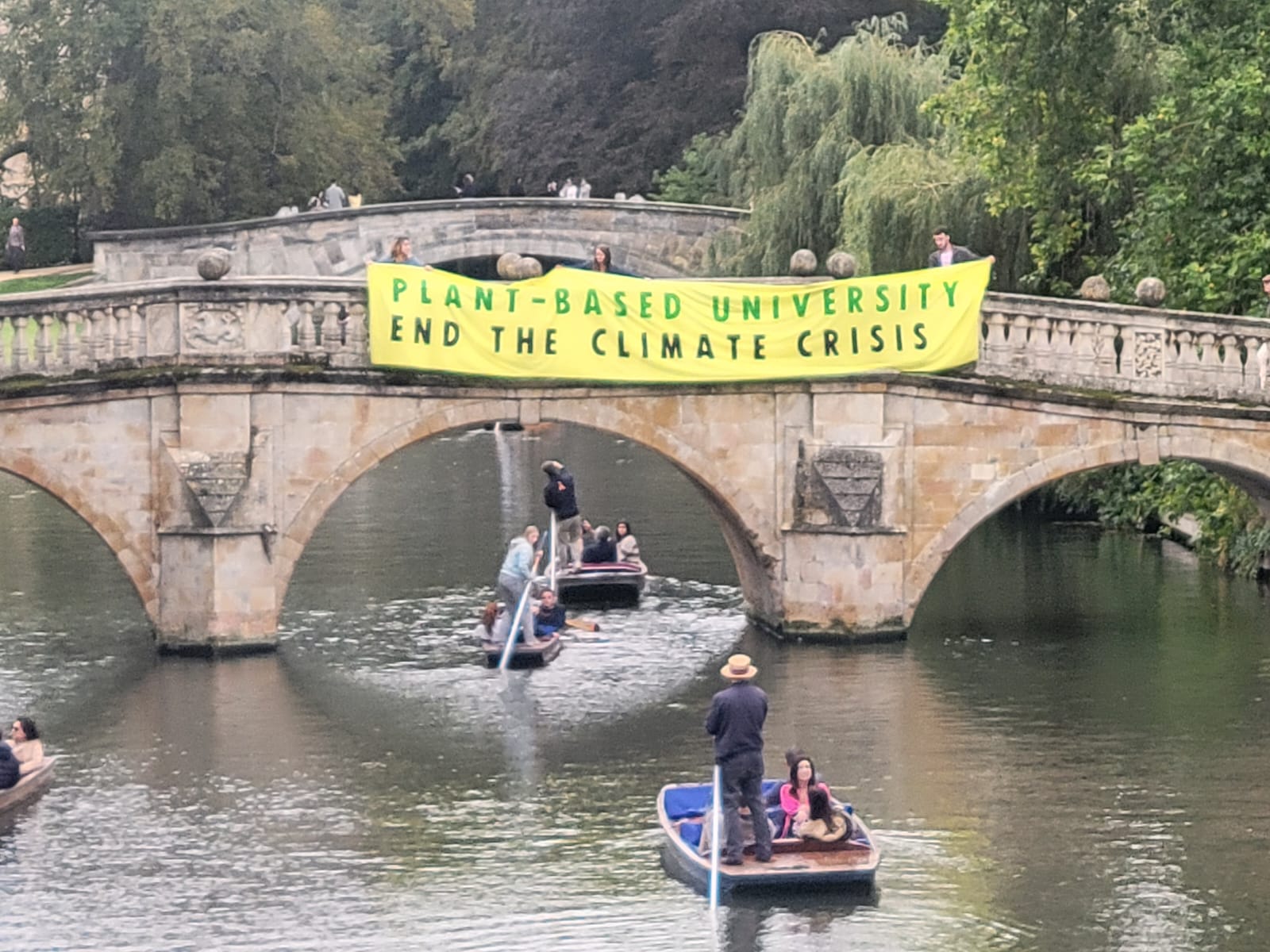
The case for going
plant-based at Cambridge
What is the problem?
57% of food emissions come from animal products
Food systems are responsible for around a third of all global greenhouse gas emissions, and animal products are the dominant driver. Meat and dairy alone generate more emissions than all the world's planes, ships, and cars combined.
Transitioning to a plant-based food system could substantially reduce greenhouse gas emissions, as well as decrease land use for food production, enabling large-scale carbon sequestration and strengthening food security. Moreover, reducing reliance on animal-source foods can mitigate the risks of antimicrobial resistance and zoonotic disease outbreaks, both of which are already fuelled by animal agriculture.
The adverse effects of climate change disproportionately impact communities in regions that have contributed the least to global emissions but bear the brunt of environmental degradation and food insecurity. A university-wide transition to plant-based catering represents a critical opportunity to enact a just and science-driven response to this crisis.
What can we do?
As a globally influential research institution, the University of Cambridge has a responsibility to lead by example in addressing climate change. By aligning its institutional practices with the best scientific evidence, the University not only acknowledges the urgency of climate change mitigation but actively demonstrates evidence-based sustainability leadership.
Plant-Based Cambridge (PBCam) has worked to implement just and accessible plant-based catering since the Students’ Union (SU) voted to support a transition to 100% plant-based catering in February 2023. Through campaigning and collaboration across colleges, departments, central University catering and the SU, students are leading the way towards a fully plant-based University of Cambridge.
Is that even possible?
The Cambridge Students’ Union has voted three times in favour of a transition to fully plant-based catering. Increasing the proportion of plant-based food is the number one priority of the CamEATS ZERO Sustainable Food Guidance for colleges. Departments have passed 100% plant-based policies. Cambridge is going plant-based – the question isn’t ‘if’ but ‘when’.
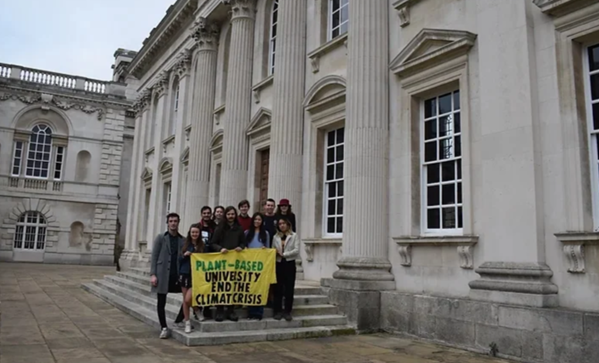
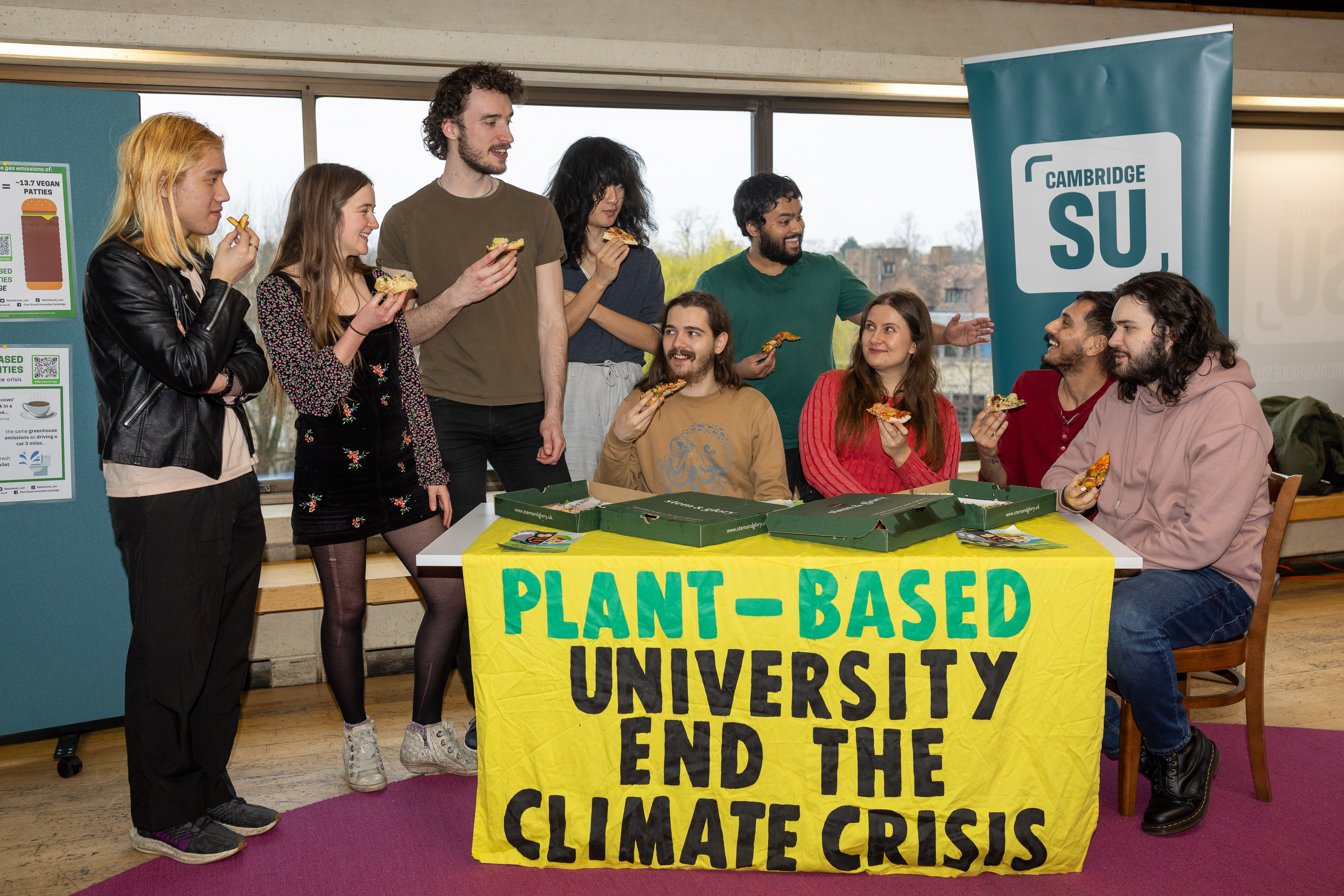
Want to see yourself here?
Join the team organising in Cambridge.
After work over the last academic year, Plant-Based Cambridge launched a Cambridge College Catering Report assessing the proportion of plant-based catering in colleges against the goal of the CamEATS ZERO target of 50%. The report was published in collaboration with Cambridge Climate Society, and showed that no college so far had met the goal of 50%.
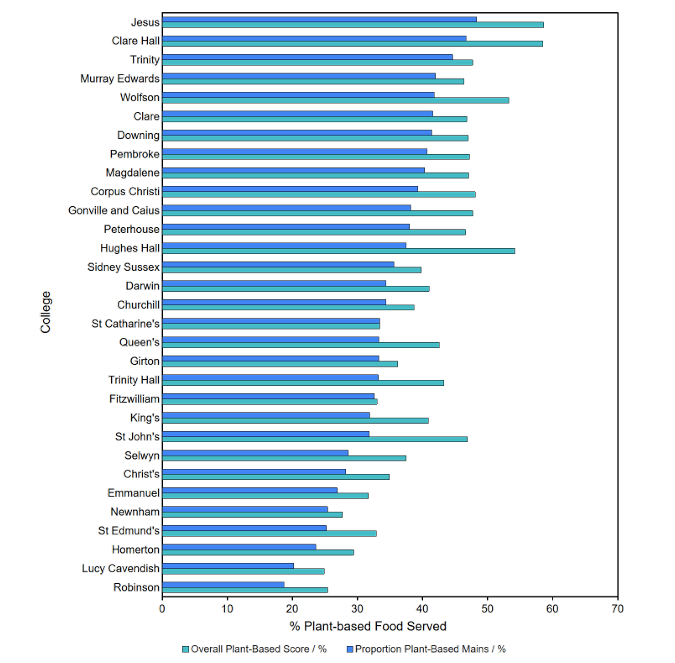
After a Plant-Based Cambridge student campaigner worked with the catering manager at Clare Hall College, they became the first college to collaborate with Forward Food, with improvements to their plant-based offering leading to the college being the first to meet the CamEATS ZERO target of 50% plant-based catering. As a result of their efforts on sustainable food, Clare Hall was recognised at the University Environmental Sustainability Showcase.
After the University refused to engage with students on fairly reviewing the outcome of the Whale café plant-based menu trial, a public petition was launched to correct the University's decision which had been based on incomplete data anlaysis.
Following the University's delay to review the results of the plant-based trial at the Whale café, PBCam submitted an FOI request to see the data for themselves showing that the trial led to increased sales and the majority of customers preferred the new menu!
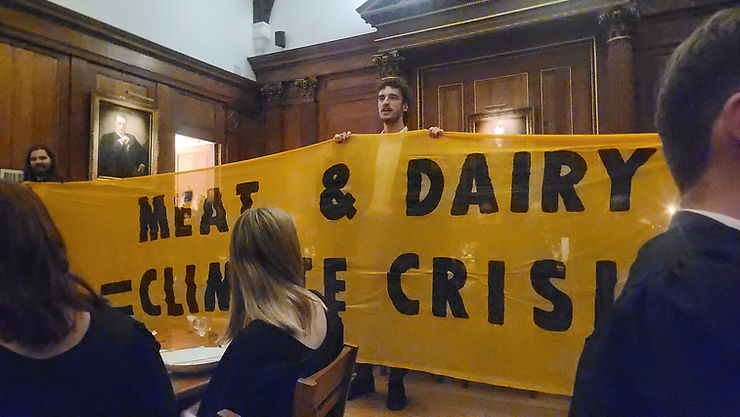
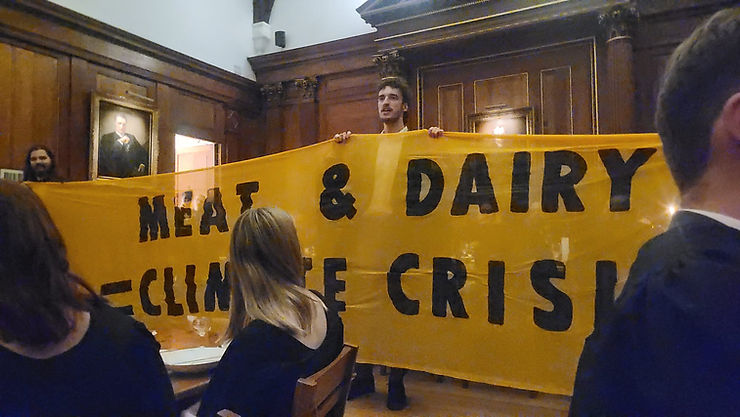
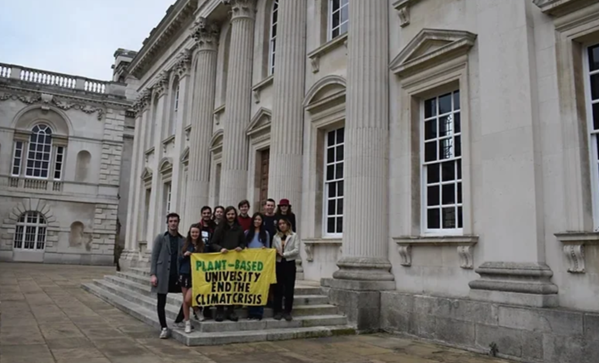
Selwyn College came last in the Climate League of Oxford and Cambridge (CLOC) and was the only college to refuse to engage with the CamEATS ZERO Sustainable Food initiative. As a result, Plant-Based Cambridge and Cambridge Climate Justice campaigners, together dropped a banner and spoke during a formal dinner at Selwyn College.
We secured a fully plant-based menu at one of the UCS's central university venues: the Whale Café on the New Museums Site. During the summer vacation, shortly before the start of the new term, members of PBCam were invited to help coordinate a food tasting at the Whale Café, offering feedback on the variety and quality of the new plant-based offerings.
PBCam’s second year ended with another nomination for Campaign Impact Award.
After a successful trial of oat milk in their coffee machines, led by a PBCam student campaigner, Cambridge Conservation Initiative (CCI) followed in Cambridge Zero's footsteps and passed the second 100% plant-based departmental policy.
Following the successful passing of a (mostly symbolic) motion through the Cambridge SU motion in 2023, the SU sub-campaign sought to add a new motion with a more tangible impact: that the SU’s own catering at meetings and events should be fully plant-based. Given that the SU had already supported a transition to fully plant-based catering in the UCS, implementing this change to its own catering was the next logical step. Following weeks of discussion and engagement with student representatives, voting members agreed: the Cambridge SU passed a motion to ‘serve fully plant-based food in all of its internal operations, and at all events and meetings’ in March 2024.
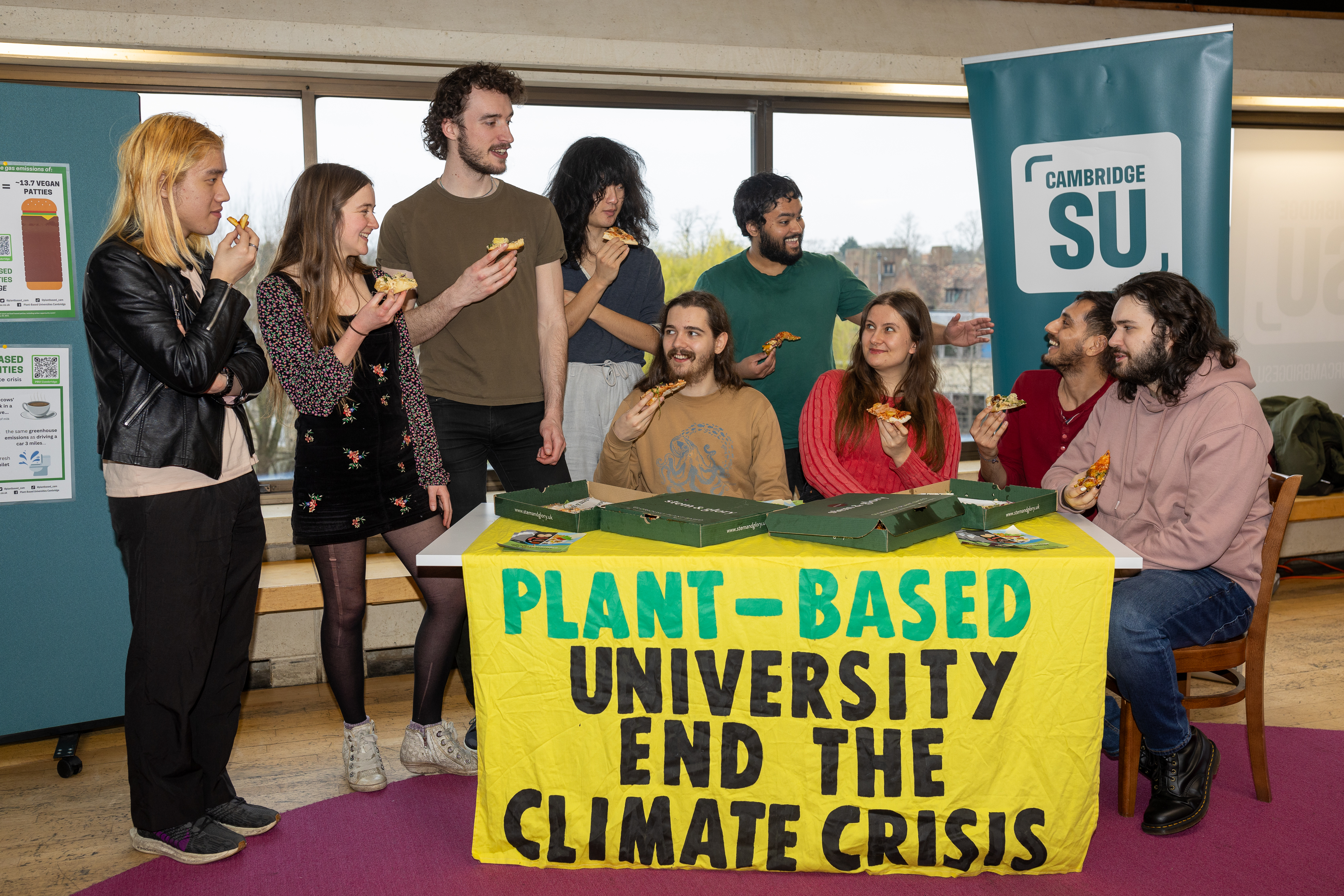
After PBCam wrote to Cambridge Zero proposing a plant-based catering policy, and launched an internal open letter of stakeholders, Cambridge Zero agreed to adopt a 100% plant-based catering policy.
After student representatives from Plant-Based Cambridge joined the CamEATS ZERO Steering Committee, we successfully lobbied to make a plant-based transition the number one priority of their sustainable food guidance for colleges - with a target of a minimum of 50% plant-based set for October 2026.
In its second year, PBCam launched five new sub-campaigns focused on Colleges, Departments, the Student Union, the University Catering Services (UCS), and divestment from animal agriculture. The first two sub-campaigns set out to empower students and academics to lead campaigning efforts in their college or department.
PBCam’s first year of campaigning wrapped up at two awards ceremonies. First, the campaign was nominated for Cambridge Student Union's Campaign Impact award at its annual Cambridge Students’ Awards. A few days earlier, then-Coordinator Chloe Balhatchet had been awarded the Vice-Chancellor’s Award for Social Impact in recognition of her work on driving sustainable change at the university.
Following the successful SU motion, Darwin College May Ball committee hosted the first fully plant-based May Ball in its 200-year history.
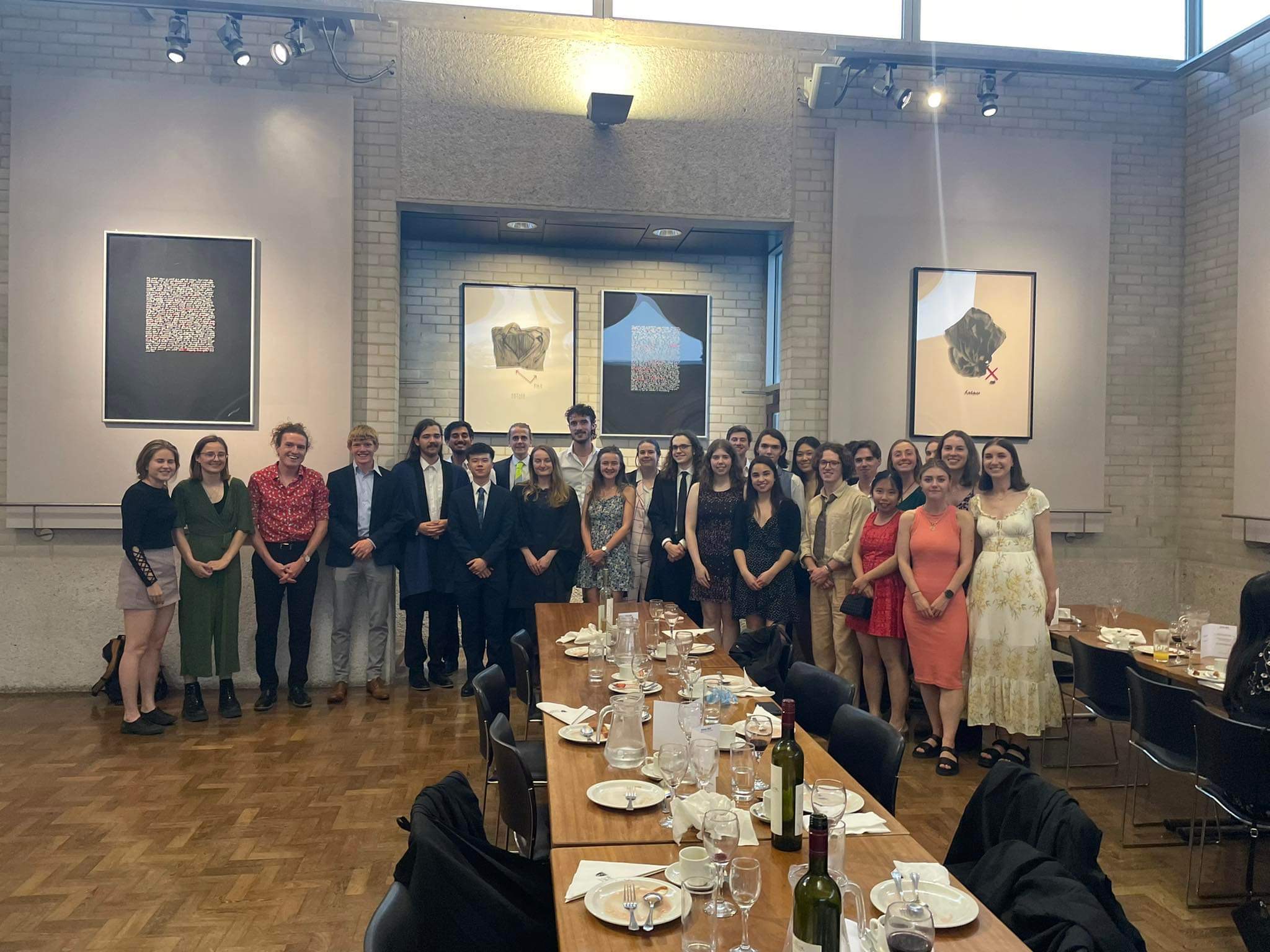
Plant-Based Cambridge hosts a fully plant-based formal (the first of many) at Murray Edwards College - the college's first ever. It was a huge success and led to many more plant-based formal events across the University.
A counter-motion to reverse the Student Union's support for 100% plant-based catering was presented at an all-student online vote. This was heavily defeated and PBCam’s motion in favour of a plant-based transition was reaffirmed amongst the entire student body.
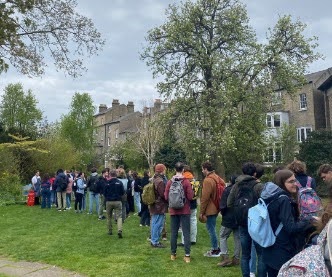
The launch of Plant-Based Colleges took place at a highly successful campaign day that was later described by Cambridge Zero as “the highlight of Green Week”. This model of decentralised campaigning led locally by college members provided a taste of the sub-campaigns that would come to define PBCam in the 2023-24 academic year and allowed more students and academics to get involved.
The day involved a training workshop for new students, a panel event on sustainable food at Darwin College followed by a free plant-based barbeque, outreach at colleges, a talk by academic Matthew Hayek and a dinner at plant-based restaurant Tipsy Vegan!
In Easter 2023, PBCam set about implementing the transition supported in the previous term’s votes. To ensure that accessibility be considered at all stages of the transition, Plant-Based Cambridge seconded and wholeheartedly supported a new motion led by members of the Disabled Students’ Campaign (DSC) that asked for fairness and accessibility to be an integral part of the negotiations. This vote passed comfortably through the Cambridge SU.
The motion proposed to “mandate the Cambridge SU, in cooperation with PB Cambridge, to initiate a dialogue with the University Catering Service about the implementation of a sustainable and 100% plant-based food system within the five cafes run by the University Catering Service.” After four weeks of consultation, including votes in J/MCRs, the motion was passed with the support of 72% of non-abstaining council members. Plant-Based Win at University of Cambridge
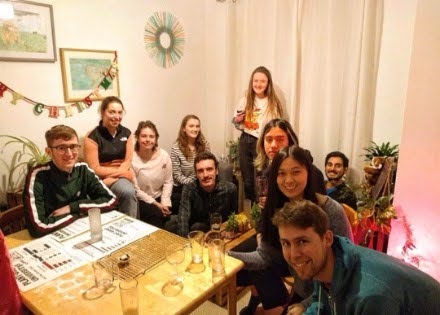
After holding outreach stalls across the University, Plant-Based Cambridge hit their target of 500+ signatures of support for a 100% plant-based University Catering Services within their first term of campaigning. The team celebrates with a festive gathering!
Plant-Based Cambridge quickly became registered as a society and debuted at Freshers' Fair in 2022, gaining more than 200 signatures of support for a transition of the University Catering Services to 100% plant-based catering over two days.
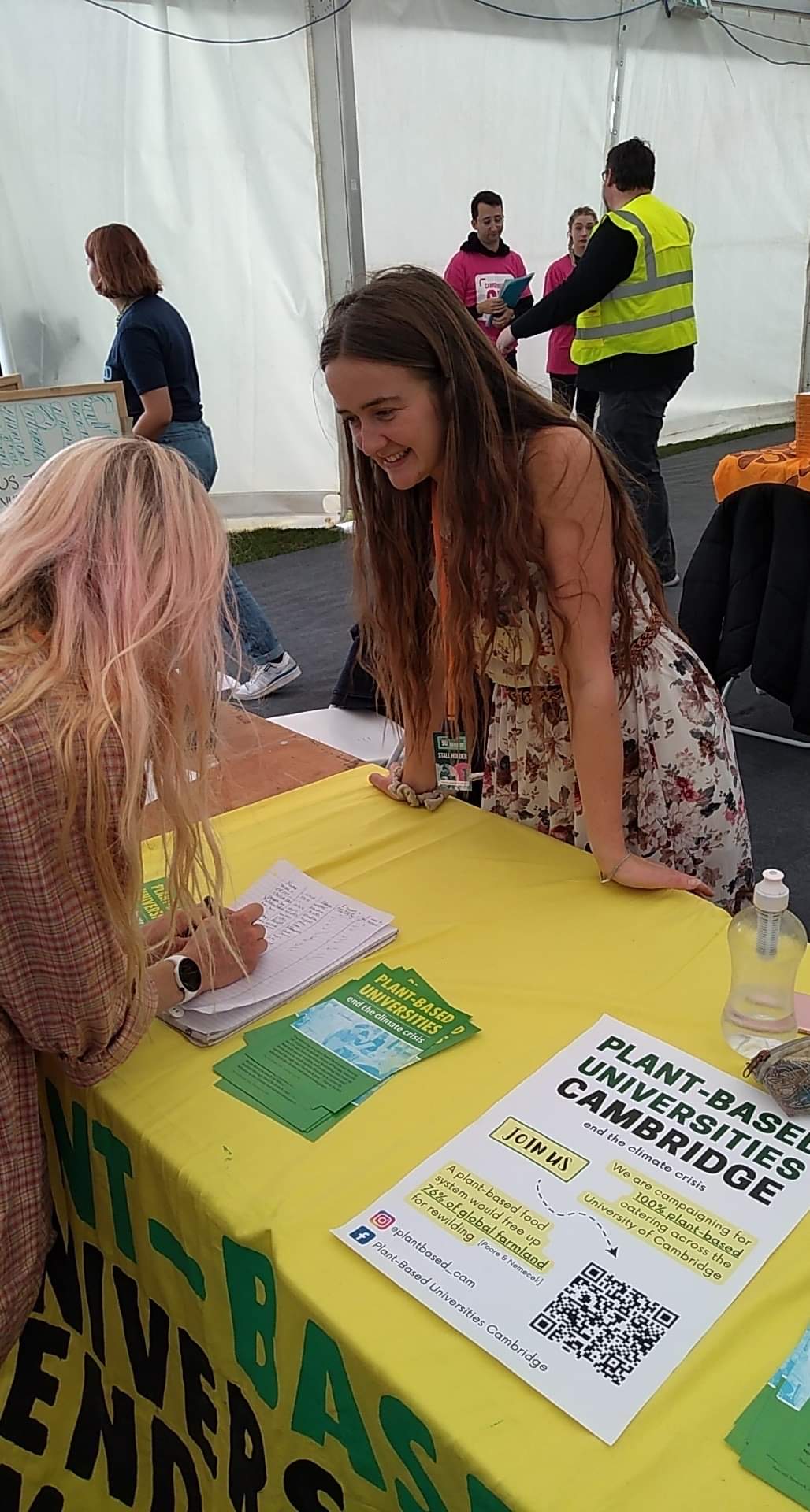
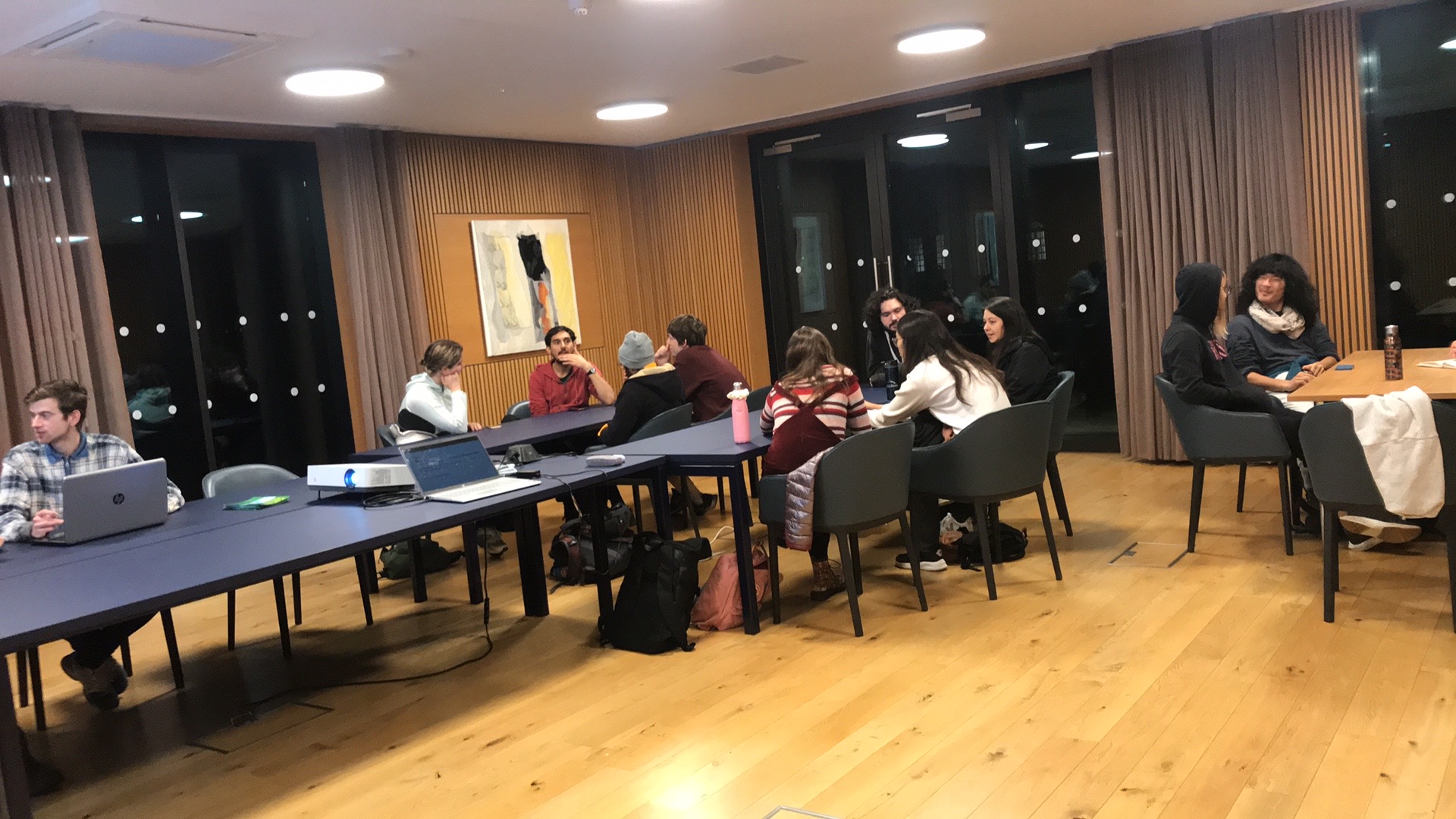
The University of Cambridge branch of Plant-Based Universities was created in October 2022 by a handful of students inspired by the movement that had started at University College London (UCL) one year earlier.
Share this campaign.